Weekly Reflection #2
Outdoor Ed Reflection…
What? What did I learn?
This week, our class visited Finnerty Gardens and heard briefly from Kristen Perices about outdoor education at the Montessori school where she teaches. She discussed balancing creating our own teaching resources with using resources from other teachers instead of relying on textbooks. She also shared ways technology can support outdoor learning, such as learning about a place’s history, identifying plants and animals, and documenting observations.
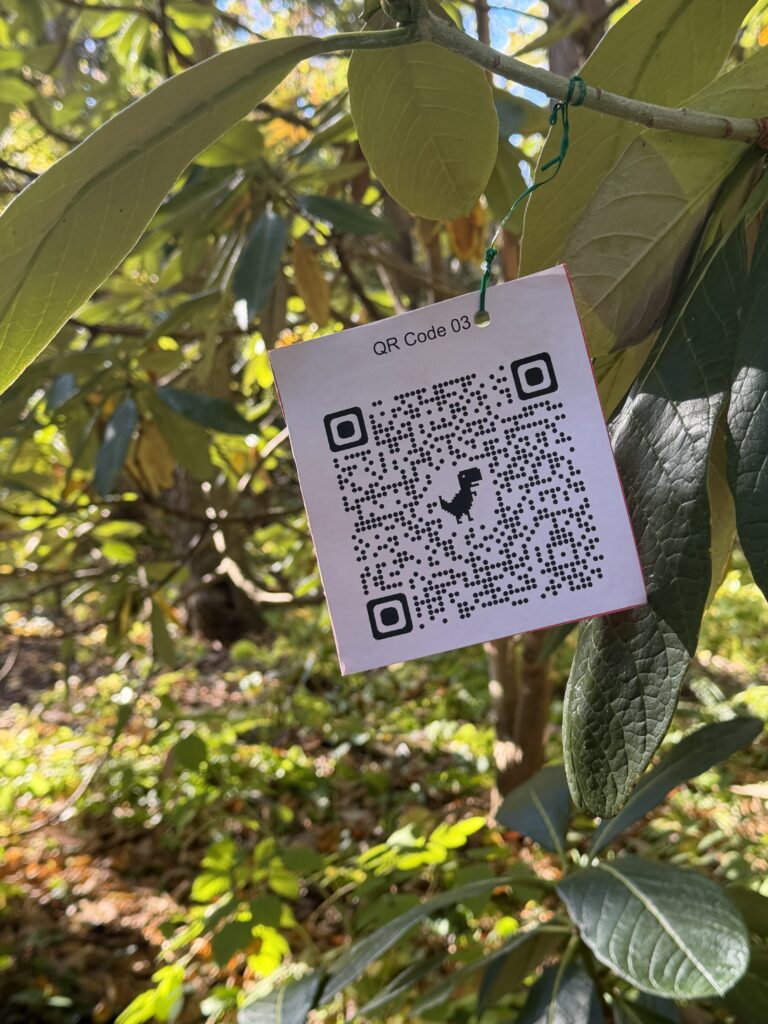
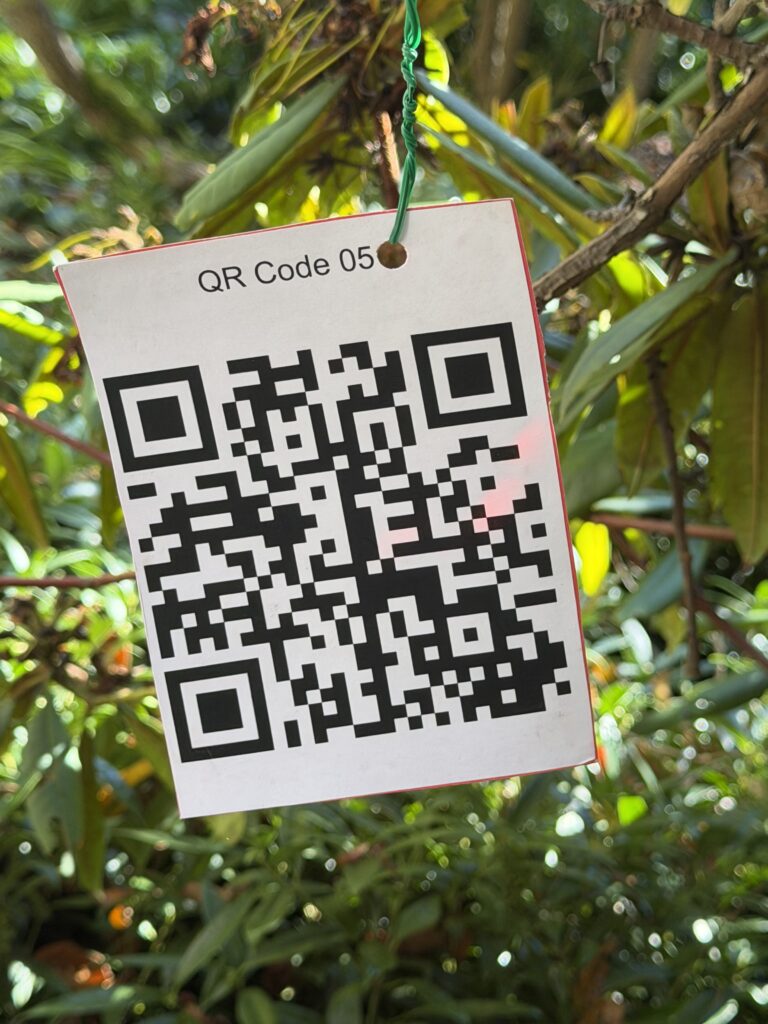
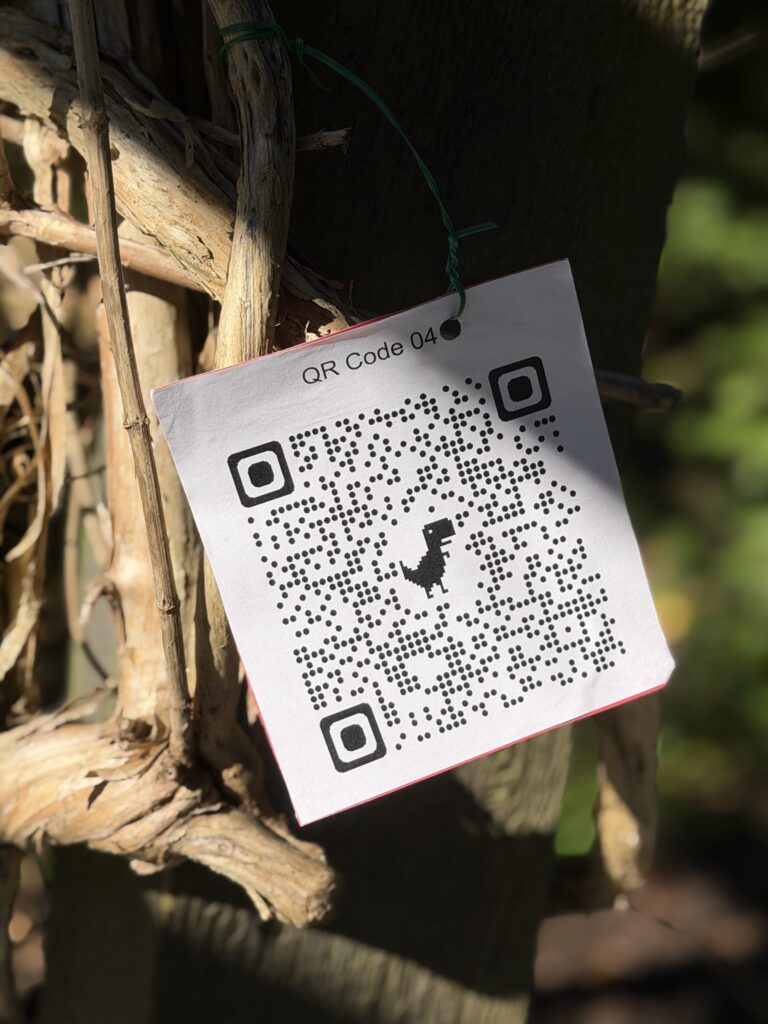
We explored the gardens by finding hidden QR codes with questions about the gardens’ history, how the space has changed over time, and the intentions behind creating it. I found this activity much more engaging and relaxing than a regular classroom discussion. One question, “What is your perspective on the intention behind the gardens now?” sparked a meaningful conversation with my group, particularly about the bamboo in the garden. Before going to class, I knew a bit about bamboo and how there are two different types: running bamboo, which can be invasive, and clumping bamboo, which is generally non-invasive. After seeing the bamboo, I decided to do a little extra research on what type grows in the gardens. I found out that it is timber bamboo, which belongs to the running bamboo group and can be invasive. This made me question where we draw the line between enjoying and shaping nature and allowing it to exist without our interference.
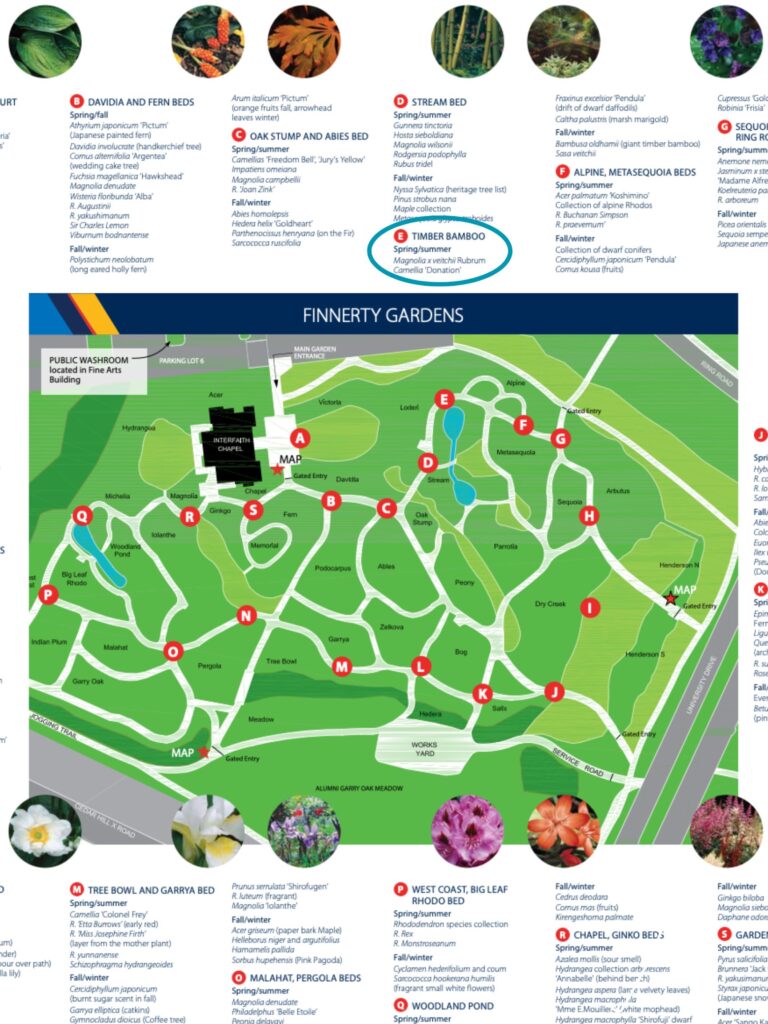
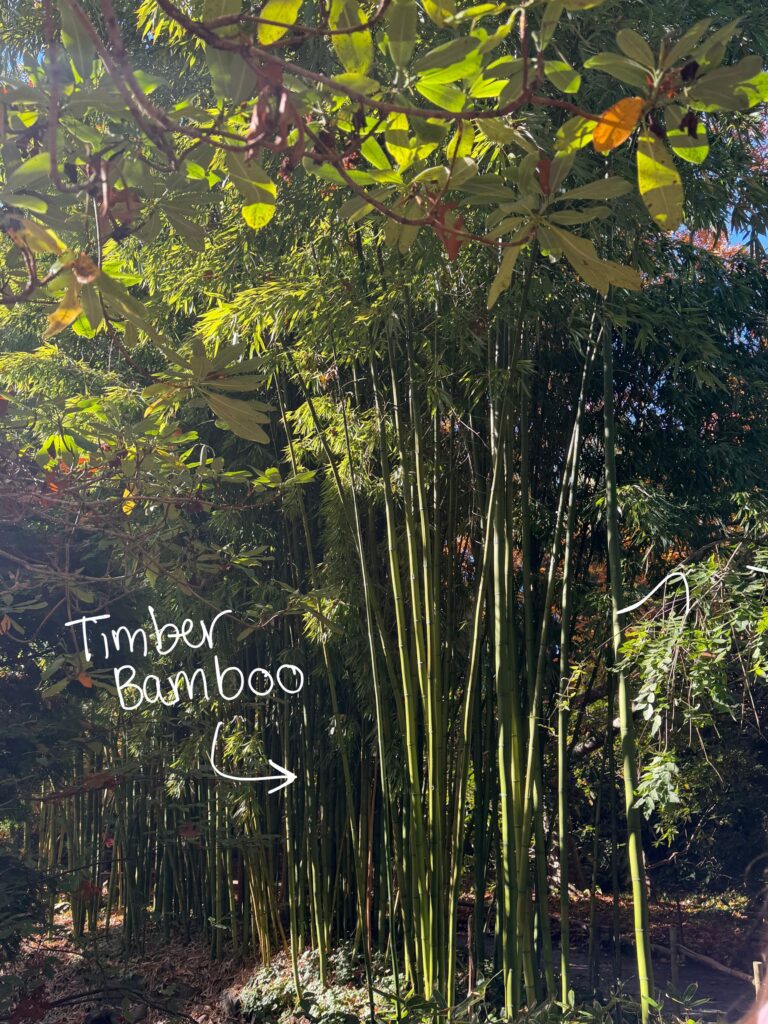
Screenshot from the Walking Tour PDF on the UVIC Website
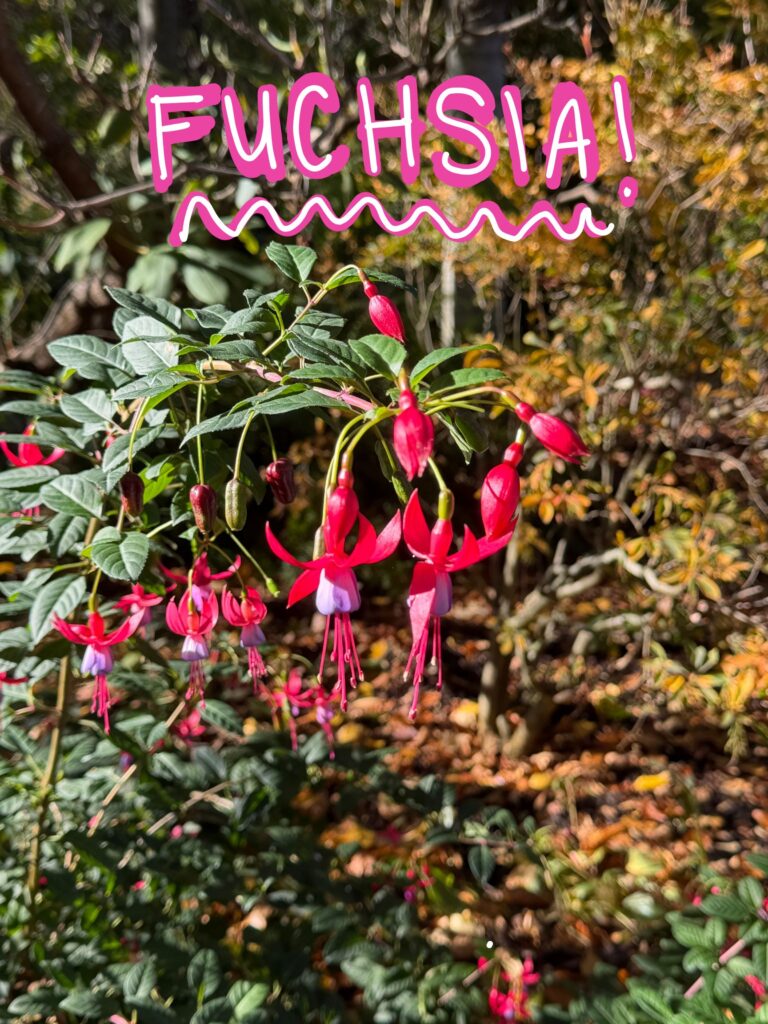
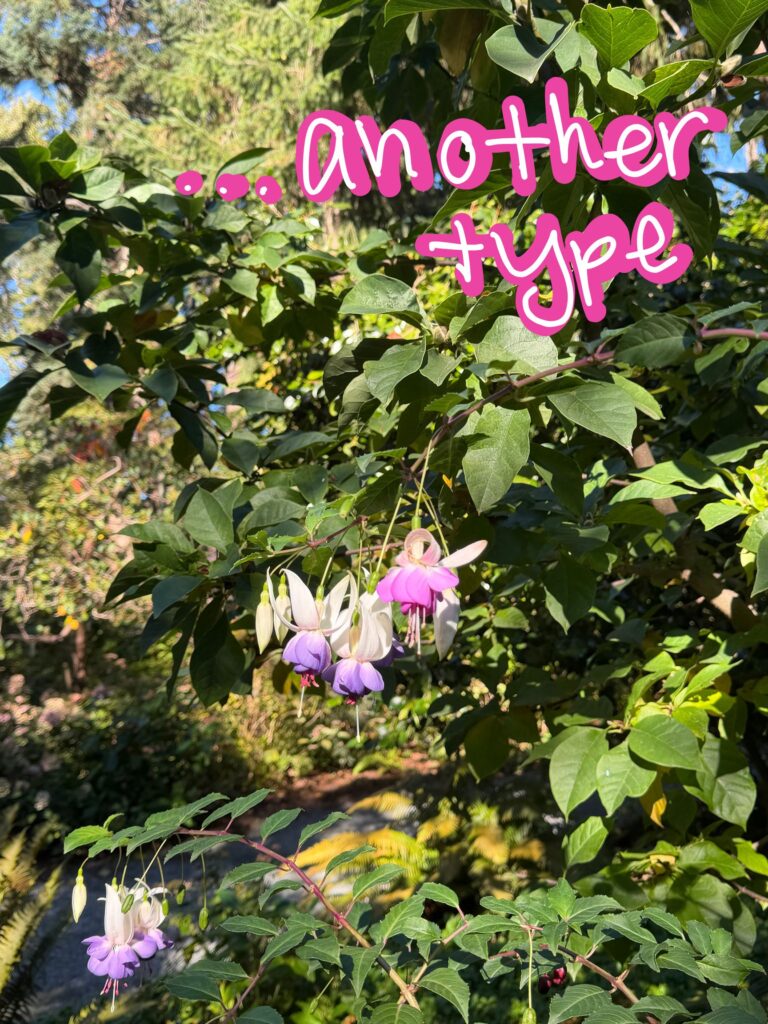
I was also pleasantly surprised by how many different varieties of fuchsia were growing in the gardens. Since fuchsias are one of my favourite flowers because they attract pollinators, seeing a little hummingbird was a highlight of the visit.
So What? Why does this matter?
I think outdoor education gives children opportunities for hands-on learning, builds their appreciation for nature, and supports their mental well-being. Staying in a classroom all day and following the same routine can become disengaging, so I believe outdoor learning should be a meaningful part of everyday education rather than just an occasional break. The QR codes were a great example of using technology purposefully because they encouraged us to look around, think critically, and have conversations instead of focusing on our screens.
I enjoy learning about the environment, especially through my experience working at a garden centre back home. I also see caring for nature as part of being a steward of God’s creation. This influences how I want to teach outdoors by encouraging students to appreciate the natural world while also learning how to protect it.
Now What? How will this influence my teaching?
As a future elementary teacher, I want to incorporate outdoor learning across different subjects. I would love to explore creative art activities beyond simply using leaves and rocks. I also want to find meaningful ways to include Indigenous perspectives and local knowledge of the land respectfully.
This visit reinforced my belief that outdoor education can make everyday learning more meaningful. I want to give students opportunities to explore their surroundings, ask their own questions, and investigate what interests them. I will also need to consider practical challenges such as weather, supervision, student safety, and ensuring activities have a clear learning purpose.
Question I am still wondering about: How can teachers make outdoor learning meaningful and connected to the curriculum, rather than having it feel like just a break from the classroom?
Photos of some of the QR codes…