Weekly Reflection #1
PSII Field Trip Reflection.
What? What did I learn?
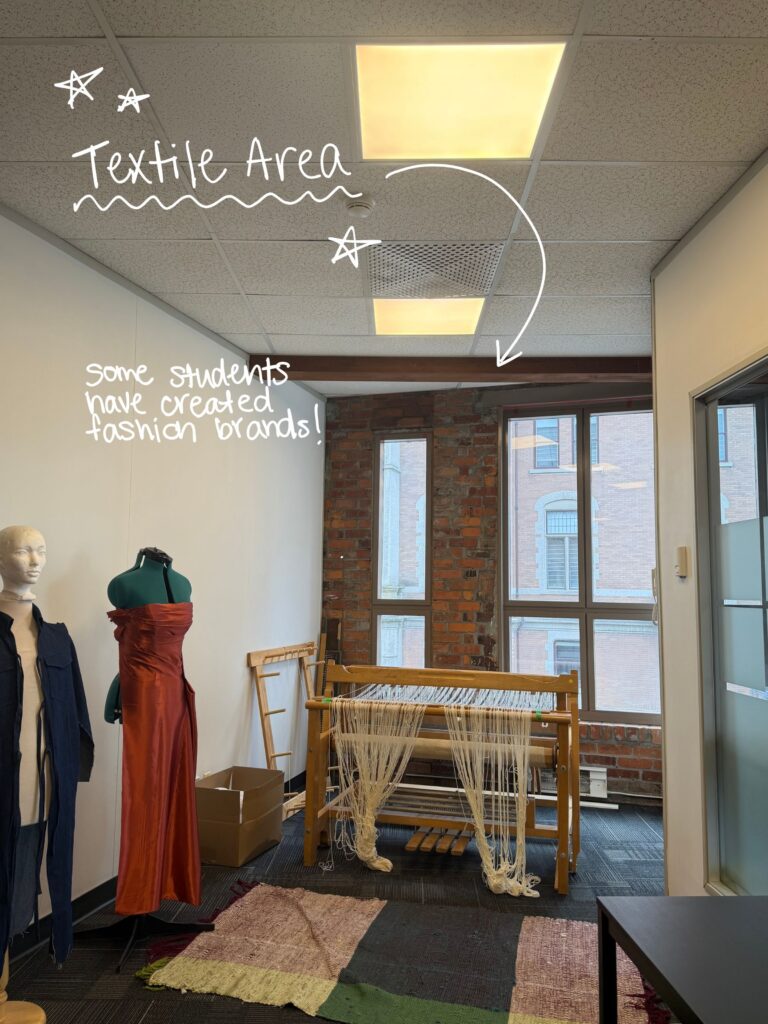
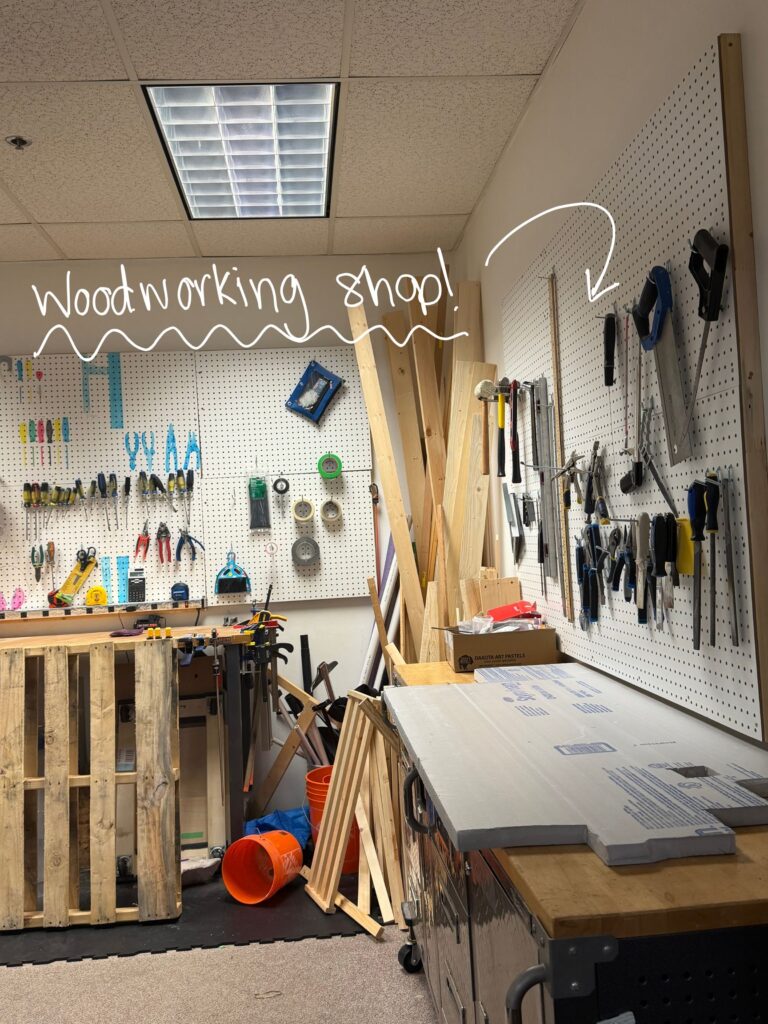
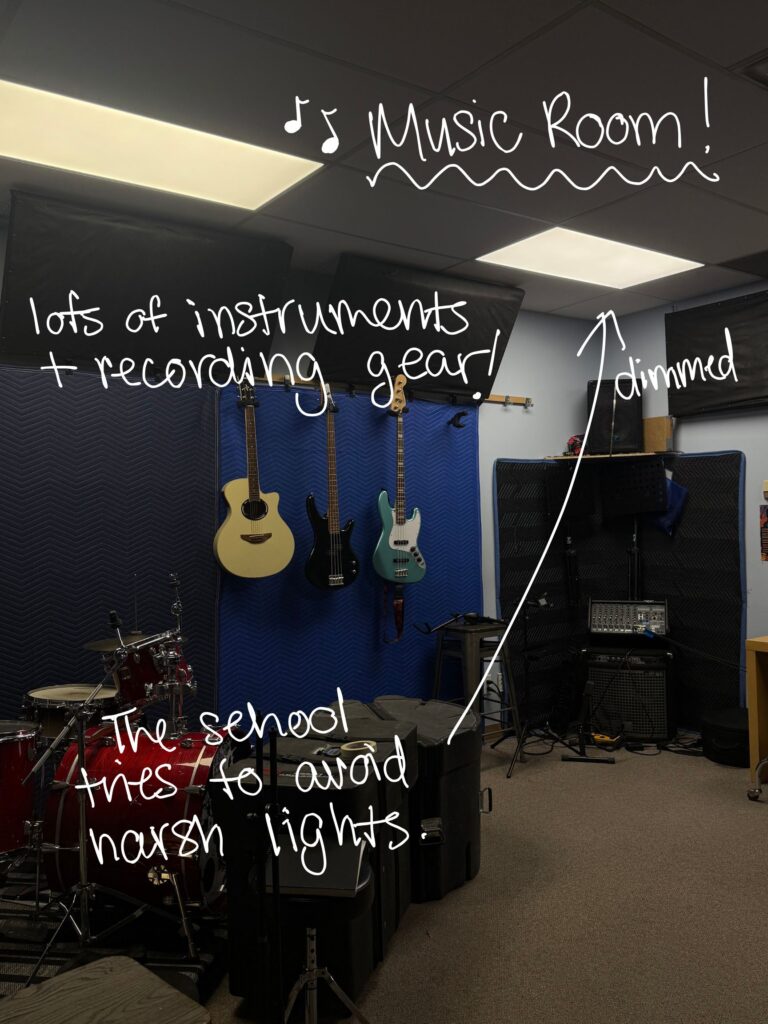
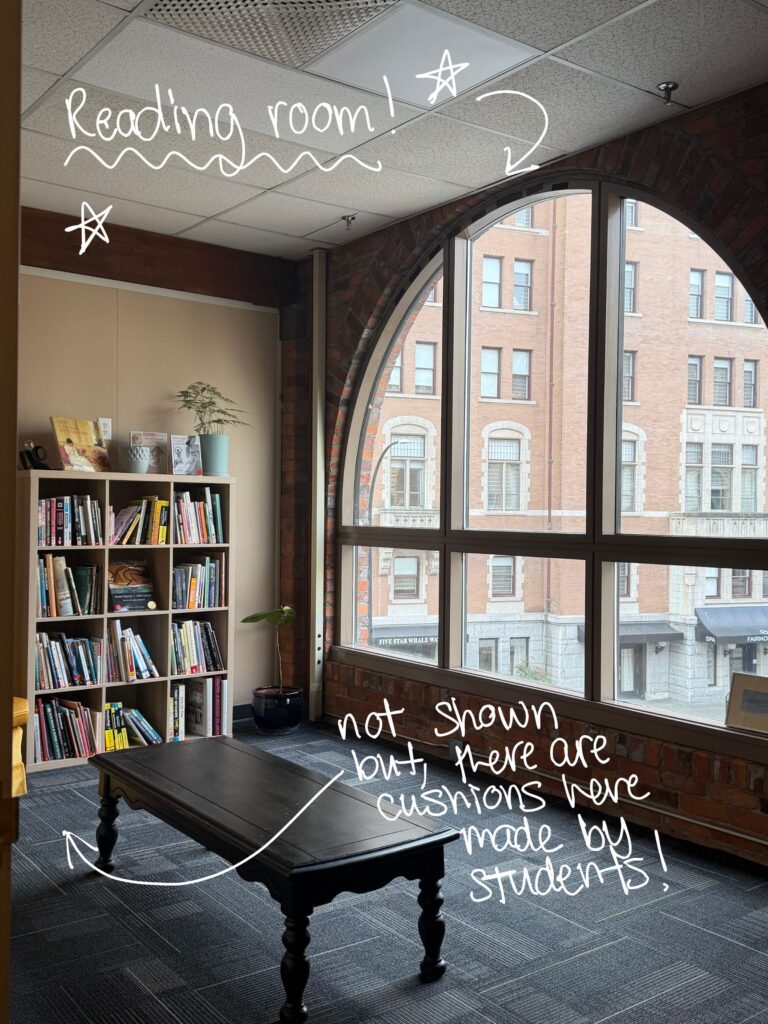
This week, our class visited PSII, a high school that focuses on student-led inquiry and personalized learning. Students have more freedom to choose what they work on each day and meet one-on-one with advisors who help keep them on track. During the first half of our visit, it was lunchtime, and students were spread throughout the school doing their own thing. When classes started, I was surprised that there was no bell and barely any noticeable transition. Students simply went to their own spaces and started working on what they had chosen. I was shocked by the amount of trust the school placed in its students to manage their own time and learning.
So What? Why does this matter?
The visit challenged some of my assumptions about traditional classrooms and made me question how many decisions teachers make for students that they could make themselves. I think giving students more choice and allowing them to explore their interests could help them become more motivated and take greater ownership of their learning. However, I also wonder how this approach works for students who struggle with motivation or need more structure and guidance.
I also had questions about physical education and collaboration. PSII uses a public gym rather than a traditional school gym, and I wonder whether students have enough opportunities to develop fundamental movement skills and discover sports they enjoy. I personally do not find going to the gym enough to keep me motivated to stay physically active. My love for exercise developed partly through playing competitive volleyball and other sports, where I learned new skills, enjoyed being part of a team, and developed a motivation to stay active beyond school. I worry that students may miss out on these experiences if they do not have enough opportunities to try different sports and develop their skills in a supportive environment. Physical education is not just about staying fit; it can also help children build confidence, discover new interests, and develop healthy habits that last into adulthood. I also believe collaboration is a huge part of education, so I wonder how schools can balance individualized learning with opportunities to work toward shared goals. While I do not know enough about PSII’s programs to draw conclusions, these questions made me think more critically about what students need from their education.
Now What? How will this influence my teaching?
Moving forward, I want to be more intentional about giving students autonomy in my own classroom. I want to incorporate more of their interests into lessons and provide opportunities for them to make choices about how they learn and demonstrate their understanding. For example, students could choose from different activities or explore their own questions within a topic we are studying. At the same time, I want to recognize that autonomy does not mean removing all structure. Some students will need more guidance than others, and I want to find ways to support their independence while ensuring everyone is learning.
Photos.